

The meat
Straight off the bat, anyone who is deeply into the idea that you shouldn’t have Bluetooth anywhere in your main setup won’t like this one. But it is built for options.
I believe in wires, and I know for sure you get what you are really looking for when the system is wired up. Nothing is getting lost between the vinyl and your ears; you’re getting fed on what it is really supposed to sound like.
Unfortunately, I also like options. My turntable has Bluetooth. And while it never gets used, I know I could.
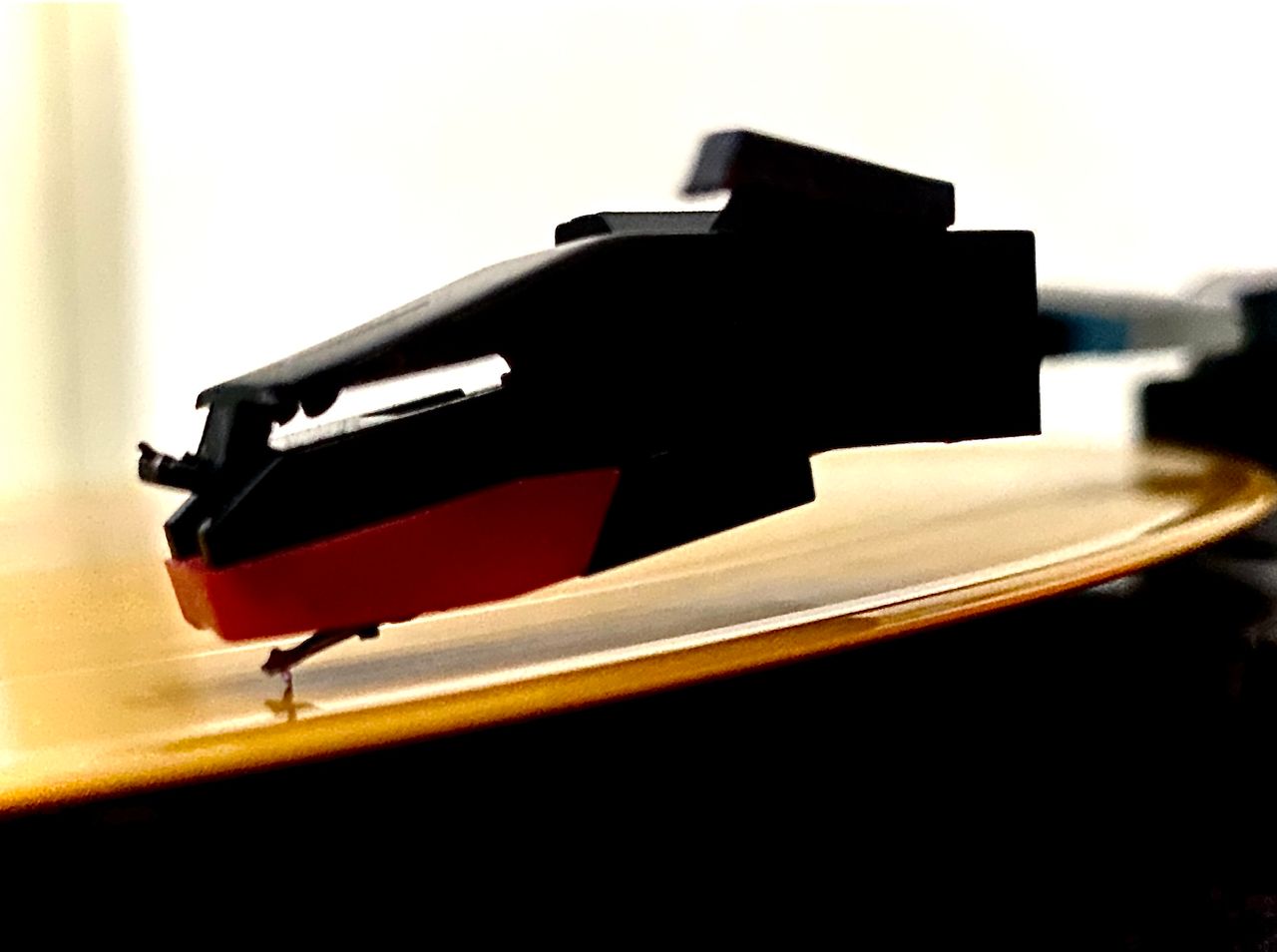
So the meat of the main setup is as follows: Pro-Ject E1 BT with the Ortofon OM5E cart, running into a WiiM Amp and into a set of Dali Kupid. It’s simple, doesn’t take up too much space, and gives the exact sound that I want to hear. Sure, it can be updated - that’s the issue with any setup, improvements can always be made…

The Kupids replaced Edifier R1280Ts, which are still speakers I would recommend for those on a budget or without a lot of space, often bundled with the WiiM mini, which I can’t fault. But the R1280Ts are active; they amplify themselves. The Kupids are passive, 4 ohms, and 83dB sensitivity, which is low. They need driving properly or they sound like nothing.
So the speaker upgrade forced the amp upgrade. It was a consequence, and sometimes you have to bite that bullet and invest.
I could hear the difference immediately, which isn't always true of an upgrade, and I'd have told you if it wasn't, because I don’t want anyone to waste their money.
On paper 4½ inch driver, 26mm soft dome, crossover at 2,100Hz, roll-off at 63Hz.
That last number matters. They don't do sub-bass. Anything you're hearing under 63Hz isn't coming from them, it's your brain building it out of the harmonics above. Which is slightly funny to own after writing a whole newsletter about it.
The Missing Fundamental: Why Your Brain Hallucinates Bass

And why these? Well, after sitting in the hot seat in a listening room in a local audio store, and listening to Dali Oberon 7, 1, and the Kupids roll out warm bass and clean guitar, with great spacing and clarity in the layers. I knew these were the ones for me. (And yeah, KEF or the Wharfedale were options, but short-lived).
Vinyl or streaming through the same speakers, depending on mood. That's the options thing again. When we get sent music, though, I will switch to wired headphones, because we’re not trying to miss any of the details.
The potatoes
Two pairs, two different jobs, (and a third for outside).
The Beyerdynamic DT 770 M are the work ones. Every review on this site was judged on these. If we've scored your record, this is what I heard it through. They're not flattering, and that's the point - if it is a bad mix, or the levels are off… You hear it all. A mix that survives them has more than earned it. Because the clarity on them is beautiful. And I’m the first to admit that they’re overkill in most cases.
The Sony WH-1000XM4s are the ones you can peel out of my cold, dead hands. I tried the XM6 and didn't get on with them at all. They felt more plastic and flimsy in the hand, and tinnier to my ear, though that could easily be how the EQ was set - as you know, we don’t all hear the same, so borrowing headphones is always a risky endeavor. Either way, I wasn't convinced. There's a version of this hobby where you upgrade your headphones for each new release - like iPhone people. But for this, what is really important and matters more is that you enjoy the sound you’re hearing. And that can happen on budget JBLs, no brand randoms, or something mid-market.
The AirPods Pro are genuinely fine for most things, and I'm not going to pretend otherwise. These are the outside headphones. They’re light, basic, and exceptional noise-cancelling. Convenient to a fault, almost.
Why those?
Let’s travel back in time to the JVC UX-T150 Micro Component Hi-Fi System. Released in 1998, it was fitting for the shelf stereo boom. Sure, there were still full-stacked systems, with multi-tape decks, record players, and speakers up to your shoulders. Separates have always been the holy grail. You have complete control over each component, and therefore complete control over the sound.
This was my first ‘real’ set.
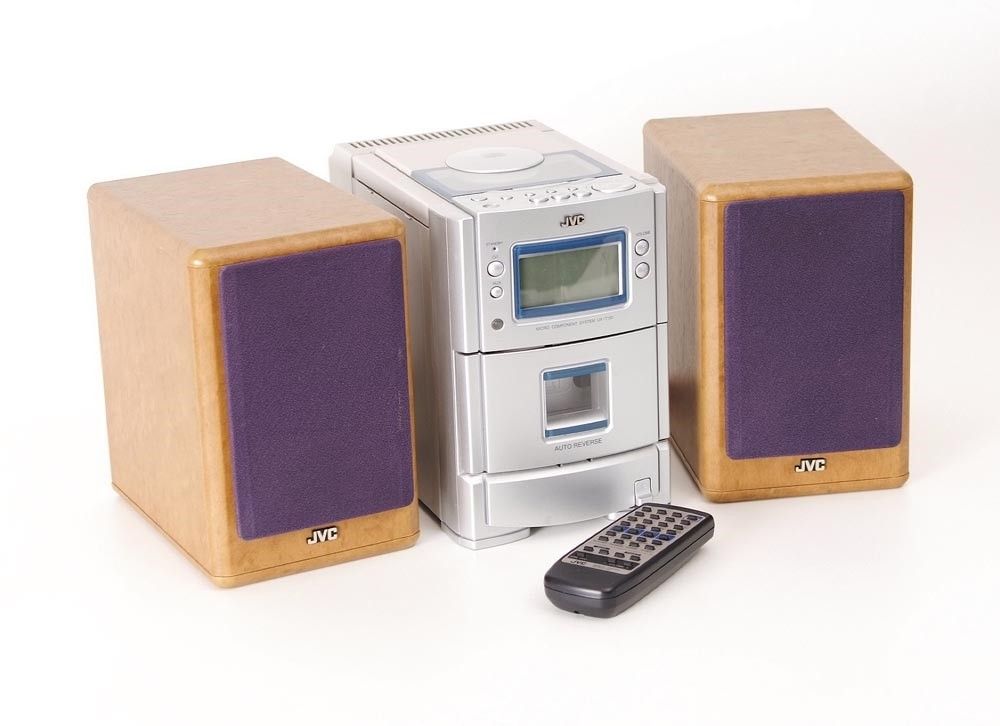
Yes. Cassettes and CDs. Radio? Me? No. no. A collection started from that moment. For those who are interested in what amazing music got to play through these speakers? Wonder no more. Limp Bizkit's Significant Other tape was the first purchase, and as for the CD… I had access to an extensive collection. And by the way, the tape was only because it looked cool. Little did I know that it would go on to make a nu-metal fan of me.
I digress.
The point is that the formative years were shaped by understanding and appreciating hardware and wires. For a while, I had a thumbdrive MP3 player that had what is likely the best playlist I will ever make on it, and that’s long gone.
Minidisc might be my personal favorite piece of listening tech ever. A Sony MZ-R70 MiniDisc Walkman was my weapon of choice for a while. And a Sony D-E220 ESP Max Walkman CD got its time in the sun. My headphones were all trash, because so long as I could hear it, what did it matter?
But nothing compared to putting a CD in a home player and hearing it come through the speakers.
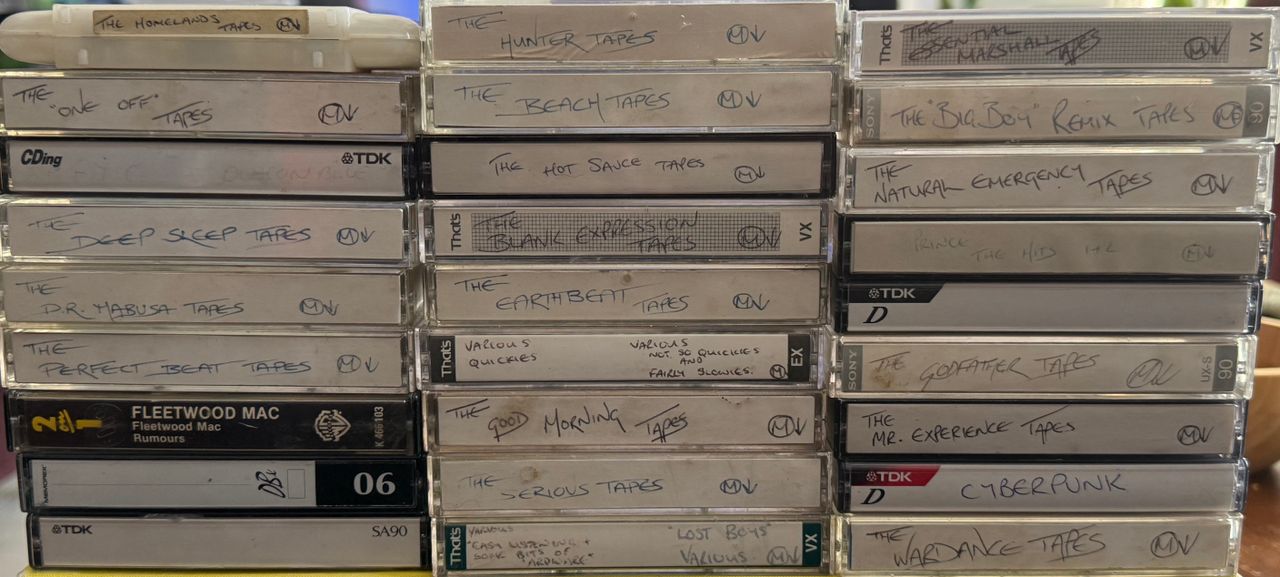
Running your fingers down a stack of CDs separated by little more than half a centimeter of space on a holder. The tiny clacks as they adjusted themselves back. The shhhhlup of record sleeves sliding in and out of a shelf.
The final click as you close a cassette case?
You’re speaking a language that so many people no longer understand.
Now, for most, streaming is where it started, and rather than having to recollect what they once had, they work backwards. Starting at the end and going back to the start. There is a lot to say for the drive of a person who was ‘born’ into streaming who seeks the physical. Who sees a million songs at any given minute, and instead says, no - give me 12, on vinyl, and let me sit with it for a while.
Me? I'm working through it rather than from either direction. I've had the luxury of living all of it firsthand, as we got it or from those around me.
Everything you've just read, and then the digital wild west that came for it: WinAMP, Napster, Limewire, Kazaa, pirating, and burning the spoils onto a mix CD that might not even play. A pink iPod Nano. Bluetooth, once it finally worked. Then Spotify, which, let's not forget, started life as pirate software itself, grey-market MP3s and all. WiFi in everything after that, all the way to one million songs at any given second.
Which brings us back to my gear, and why I picked what I have. A hybrid between the sonic worlds that I live in. Catering exactly to what it is I want to do, and how I want to listen.
And sure, there is a discussion to be had about music consumption, but we will have that another time.
If you’re not subscribed yet, that is a mistake you can fix by tapping this button.



Log in or subscribe to comment