
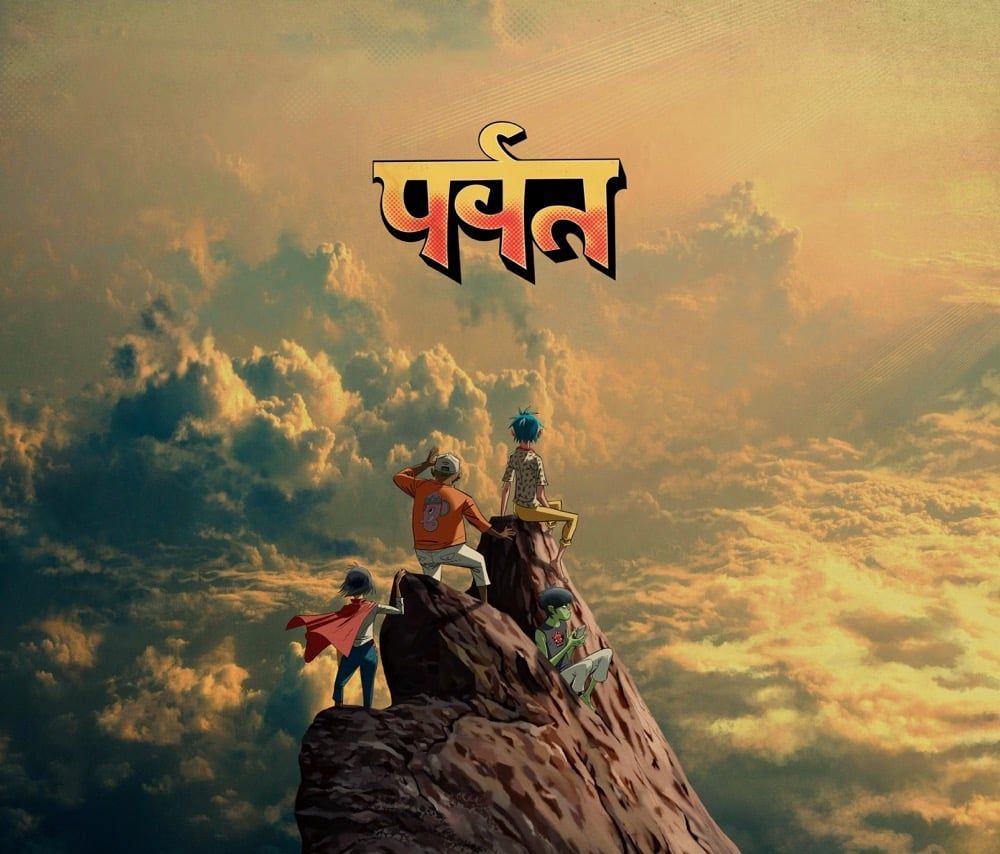
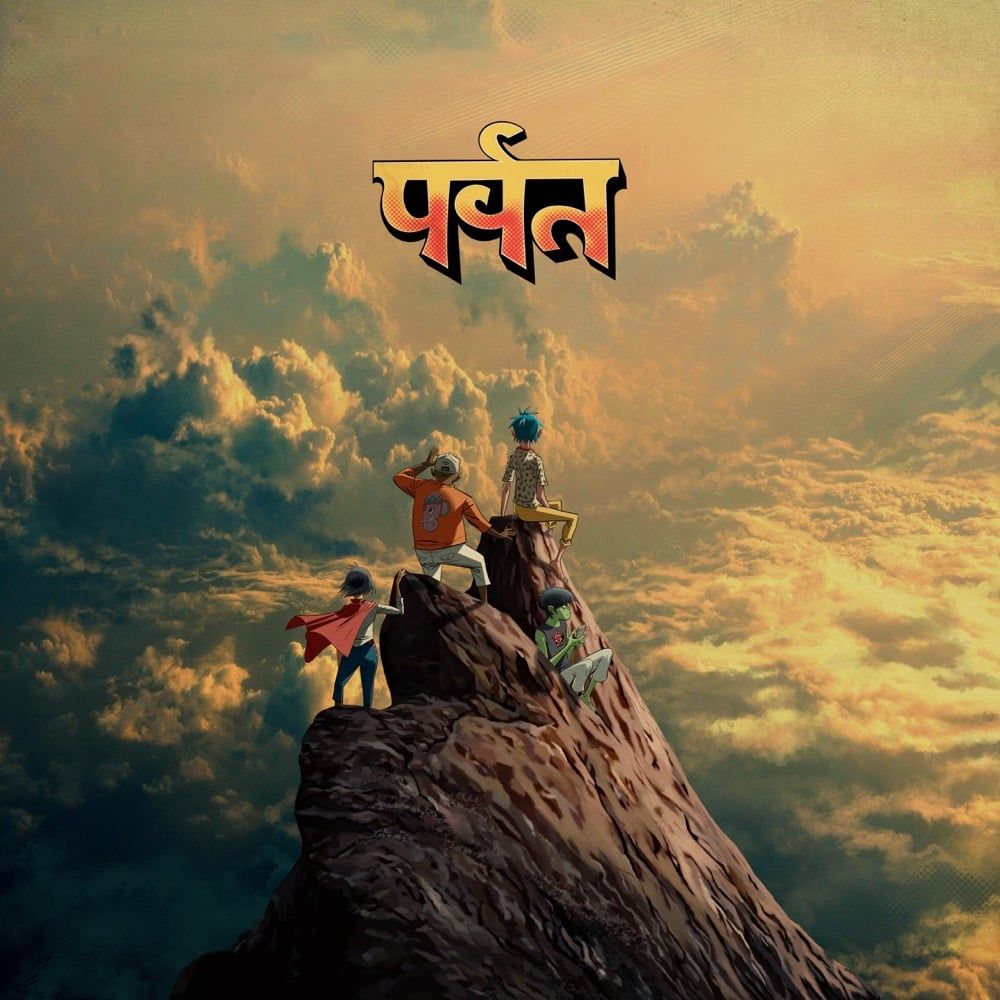
The most experimental Gorillaz album to date. It easily strides beyond everything they have done before.
ARE GORILLAZ A REGULAR ON OUR PLAYLISTS?
Yes. There is a high potential that many of the songs from this album will also go on the playlists.
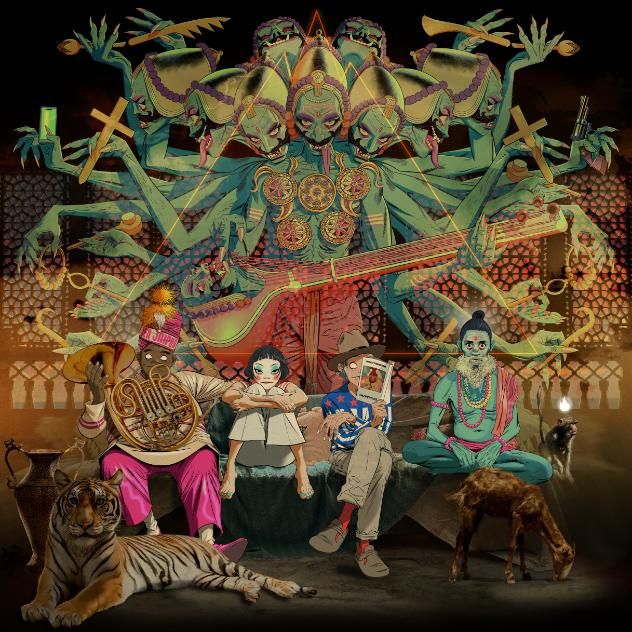
source: Press Image from Nasty Little Man website
Albarn has always had a knack for saying what people need to hear, while keeping it close to how people are experiencing life. We saw it in Blur, and we see it in Gorillaz.
We know Gorillaz as one of the most influential not-real characters, doing something that was beyond imagining when they first came out. Sure, we'd had Alvin and the Chipmunks, but they were a novelty, a child's form of entertainment.
Gorillaz took it to a whole new level.
We're used to bands sampling music to further their reach, having spent little to no time in the region. Perhaps that's what makes The Mountain more interesting. It doesn't feel like the samples are added as an afterthought, but rather they are built around. They are the heart of the album, and it makes sense, too. Albarn and Hewlett explore much of what makes us human in this album: loss and spirituality. The credit list is phenomenal: IDLES, Tony Allen, Mark. E. Smith, Omar Souleyman... the list goes on.
While Albarn and Hewlett set out to create something specific, their fathers died within ten days of each other. The second trip to India changed shape; Damon took his father's ashes and released them into the Ganges. During that time, we can only assume that time and loss became drivers, because a combination of classical Indian musicians and unreleased samples became THE MOUNTAIN.
It could be quite possible that certain life experiences will change your view of the album.
"If we're going to talk about the subject of death, I need some people who are dead to help me talk about it." One of the most important parts of the album is those who have already moved on. On occasions, Ravi Shankar, who meant so much to Damon's dad, would've been asked; his daughter Anoushka Shankar performs on the album in his stead.
The title track The Mountain, does a perfect job at setting the stage for the rest of the album. It's light, it feels spiritual in the way that Indian percussion does so well. Strings and wind instruments lift you very easily.
We've said it before, and we will say it forever: we don't think you need to understand the language you are listening to to enjoy music. Sure, it helps, and if you're going to sing along to it in public, then you might want to do some research - but for the sake of good listening, being introduced to the sound textures that other languages bring is fantastic. The Mountain has an incredible mix of Yoruba, Spanish, Arabic, Hindi, and English.
Instrument-wise, we've got the synth layers and drums we are used to. Gorillaz have always layered up well, creating an expansive, wide listening experience. Now we have a host of incredible artists: Anoushka Shankar on the Sitar, Amaan and Ayaan Ali Bangash on the Sarod, Tabla hand drums, Tanpura bringing in a meditative sound, and the Bansuri bringing a light, airy feel by Ajay Prasanna.
All that said, outstanding tracks are The Mountain, The Hardest Thing, The God of Lying, Delirium, and The Manifesto.
The album avoids the idea of cultural theft and appropriation by centering the other artists in the work... regardless, though, it is a Gorillaz album. That said, there is a simplification of the Sargam notation found in classical Indian music that sits more comfortably in a Western traditional 4/4.
At no point does the album feel like it has just been lightly spiced with an exotic flavor. Instead, it blends, blurs, and showcases incredible instrumentality and vocals from both dead and living artists. High relisten value due to the textures.

4/5 Cups


Log in or subscribe to comment