

Hello You
Last week, we took a little cynical look at how physical media is being turned into an item to collect rather than music to play.
We did learn that some of you guys love CDs, which is super cool. We’re stacking (thrifted and old) cassettes at the moment. It's nice to know we’re in great company with that.
This week, we’re looking at… who?
Well, that is the question: are all the rock stars dead?
How’re your resurrection skills? →
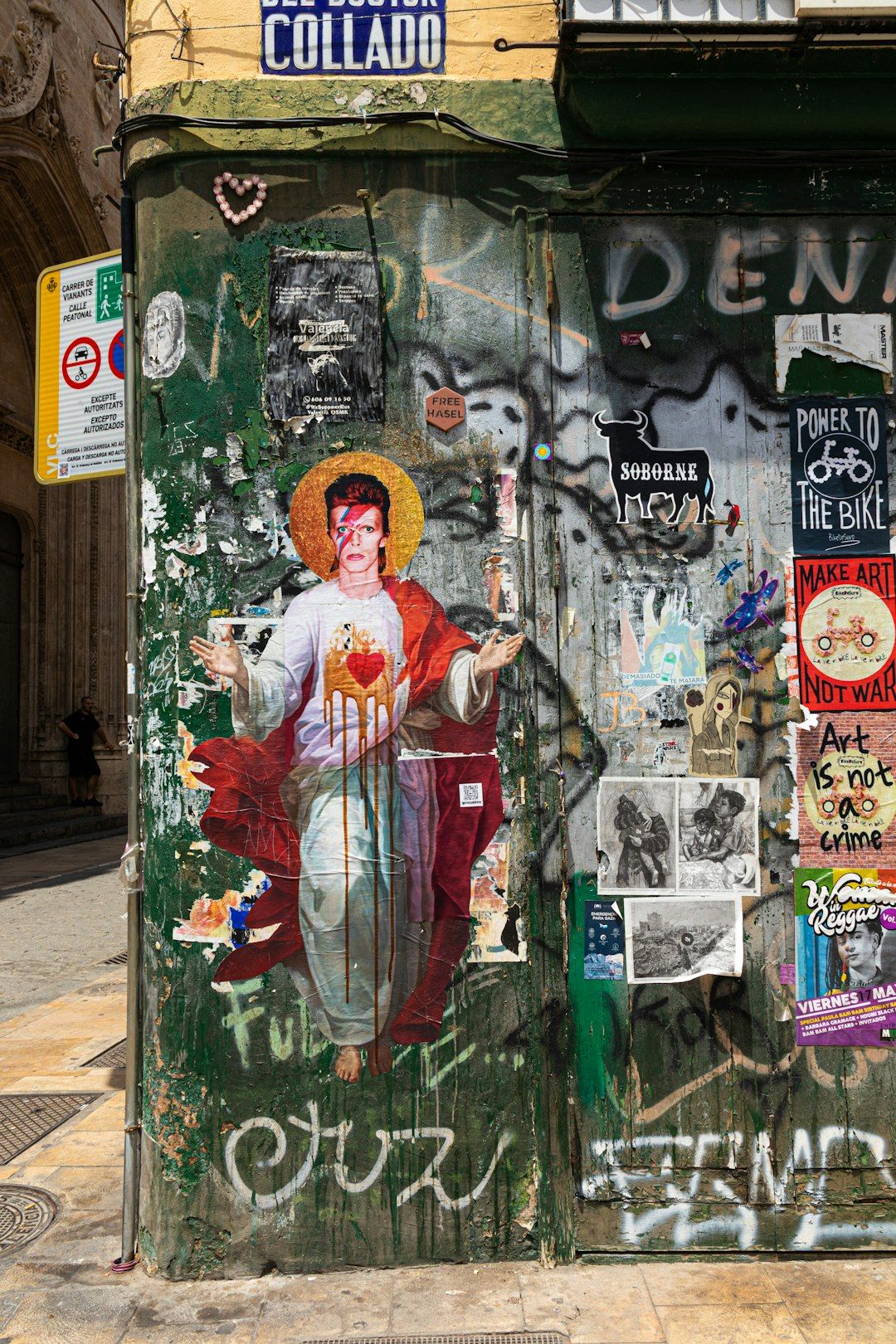
Photo by Danielle Suijkerbuijk on Unsplash
SongsBrew Editorial
Deities of Monoculture
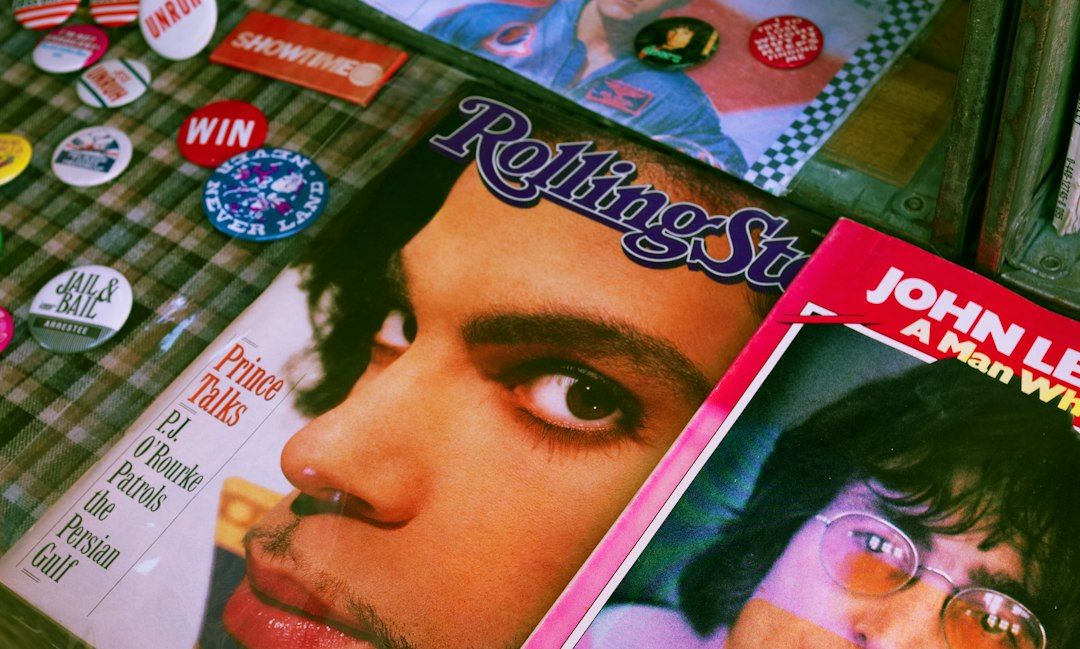
Photo by Doyoun Seo on Unsplash
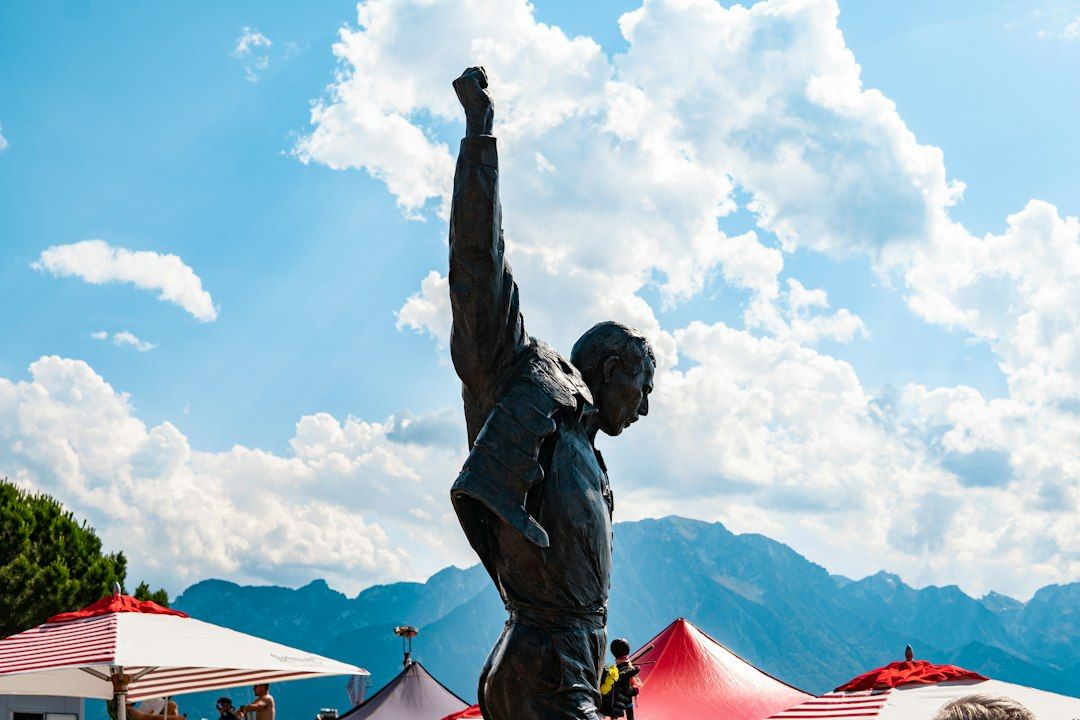
What do we mean when we say untouchable? Now, in most cases, it is the physical sense, because over the last ten years, we have lost more of the original rockstars. Sure, the long lens will show Elvis. Maybe that is where it started? We went from having performers to having Idols and Kings. Jimi Hendrix gave us an almost shamanic person to look up to. Grace Jones, an alien goddess, and Little Richard showed audiences what power, energy, and loudness looked like.
Prince, Ozzy, Bowie, Mercury - so iconic that we don’t need to add a first name here. Such is their legend. Such is their rockstarism. They are referred to as the kings and queens of their genre, the gods of their instruments, or the gods of the stage.
An untouchable. They never seemed to exist the way we do. Mythologized and the blueprint for so many that came after, who will never reach their heights. The thing was, it was expected that these, and many others, would be the epitome of behavior that would see them cancelled before their third studio album in modern times.
You didn’t want Prince to be seen in an Adidas tracksuit with his hair dishevelled. He was to be adorned and adored. Bowie wasn’t allowed to be too relatable; he was to be an alien who wasn’t beholden to the gravity that we suffer from.
It is only now that the conversation around Ozzy is focused on the fact that actually shooting cats, beating your wife, but being funny doesn’t all balance out. But it somehow didn’t seem to matter, and his death took away what might be one of the last rockstars that aren’t run into the ground with social and corporate audits. For more than a couple of decades, the live-fast, die-young lifestyle was cool because it fuelled their art. It fed us new music, stunning visuals, and artists that had become vessels for our collective shadows, whereas now we want them to be role models and spokespeople.
Nick Cave has previously described artists like Tom Waits, Van Morrison, and Leonard Cohen as having a mysterious power. Interestingly, in a BBC interview, he cited the church as the source of his love of music (as evident in his music) and Johnny Cash as one of his inspirations. Maybe they all become one and the same.
Auditing Artists
Previously, this untouchable power was okay; it was cool and rare when an artist went on stage with a t-shirt for a cause. Sinéad O'Connor. RATM. Now, if artists aren’t using their platforms, they are called out for it. Because how dare you garner millions of fans and be silent? That silent power is being smashed to smithereens with a humanizing mandate. Rockstars used to do drugs, have wild illicit and explicit parties, launch TVs out of the windows, and live in chaos that we couldn’t, or wouldn’t. Their behavior was a test for the genius, so what if they went to rehab 7 times? So what if they caused thousands of dollars of damage - so what? Because at the end of the run, fans would’ve seen them live, and we’d have a CD in our palms.
Now? For those who dare to step into the light, we demand even the smallest star to take a stance on every geopolitical crisis, to fend off rumors and complaints, and to be relatable and human. Touchable, bendable, and yet hold the voices of millions in their throats and present them at every given opportunity. And never, ever express an opinion that is ‘other’.
Going back to Prince, just for a moment, had he stepped out in grubby sweats and been that human for a moment, it would’ve crumbled his gravitas. It’s not what you would’ve wanted for him (though you can buy his monogrammed ones). Some artists needed and still do need to be other than human. The masses always want idols. We need them.
The passing of Ozzy was surrounded by the talk of - where does the torch go? A collective understanding that we were running out of rockstars. That version of what a rockstar was and is.
We’re plucking away the alien, ethereal, untouchable energies once assigned to the greats, shaving everything down to fit them into the ‘authentic’ influencer bucket. We slide carefully and comfortably into the age of health, accountability, and safety.
But is it the end of the road for rockstars as they once were?
Maybe, somewhere in our relentless pursuit of authenticity and role models, we have forgotten that what made a rockstar was their ability to be human and a myth. We have arrived at an age where the Prince of Darkness becomes the Prince of the Algorithms. We have to ask: do we, as the audience, even deserve the legends of old anymore? We demand green juices, workout routines, clean makeup, no swearing, several palatable political stances, and, at the same time, demanding work that feels as rich, dangerous, and artful with nothing to feed it. We’re not saying you need to be a menace to society, but maybe that was what made rockstars so intriguing.
We want humans without flaws to perform for flawed masses. We wanted to bring the Idols, Kings, and Rockstars to walk with us, and perhaps we didn’t know at the time they’d lose the power to fly when they did.
The Algo Ceiling
The heights of these phenomena were built by radio DJs, magazines, visionary labels, and a world that was easier to travel in. They bet on the weird, the wild, the loud, and the revolutionary. Today, we have lazy algorithms betting on average (mediocre): the stuff that slips in unnoticed.
We’re talking about that thing the artists had that can’t be measured by retention and data. Where is it?
Artists who never would’ve had an Instagram. Those who reinvent themselves and shift personas (though Tyler, the Creator, does this perfectly) would now be seen as inconsistent branding. It’s almost like the infrastructure to hold the legends no longer exists. Or maybe how we judge them, and the goalposts have shifted. It’s hard to focus on your work when somewhere, someone is telling you you need to hit the FYP.
Grace Jones, perhaps not the only living exception, but one nonetheless. As untouchable and impenetrable as she was at the start. Not a relic of times bygone, but perhaps a reminder of what we had. Never trading access and mediocrity for success on an algorithm. Artists of now are almost expected to film and post BTS hourly, giving us gross access to them 24/7/365. It’s odd.
We’re suffering a physical loss; as the years go by, we have fewer of the greats left, if any. The social calling to make sure they are not problematic (at all, and to varying standards). And the industrial loss, because the machines as we have them now wouldn’t have known what to do with these behemoths, other than to slide them in a playlist between The Lumineers and Harry Styles.
Do we even deserve true rockstars anymore?
A Final Note
“We believed that anything that was worth doing was worth overdoing.” - Steve Tyler, Aerosmith - 1990. (yes, a real rockstar and still alive like Jagger, Dylan, Springsteen, Stevie Nicks etc).
The demand for artists to be human, relatable, and accountable has a dark side. We looked at where that expectation tips into something more toxic.
And the industry milking the devotion while the mystique disappears is exactly what we called the Extractive Era. That one is worth reading right after this.
Until next time,



Log in or subscribe to comment