

Hello You
Last week, we spent some time talking about how easy it is to make a piece of ‘music’ with an AI platform and how quickly it can then appear on streaming platforms.
We do have an update later in the newsletter.
This week, how difficult is it to get out of the automated cul-de-sac of recommendations we can find ourselves in?
Let’s check out the dead end →
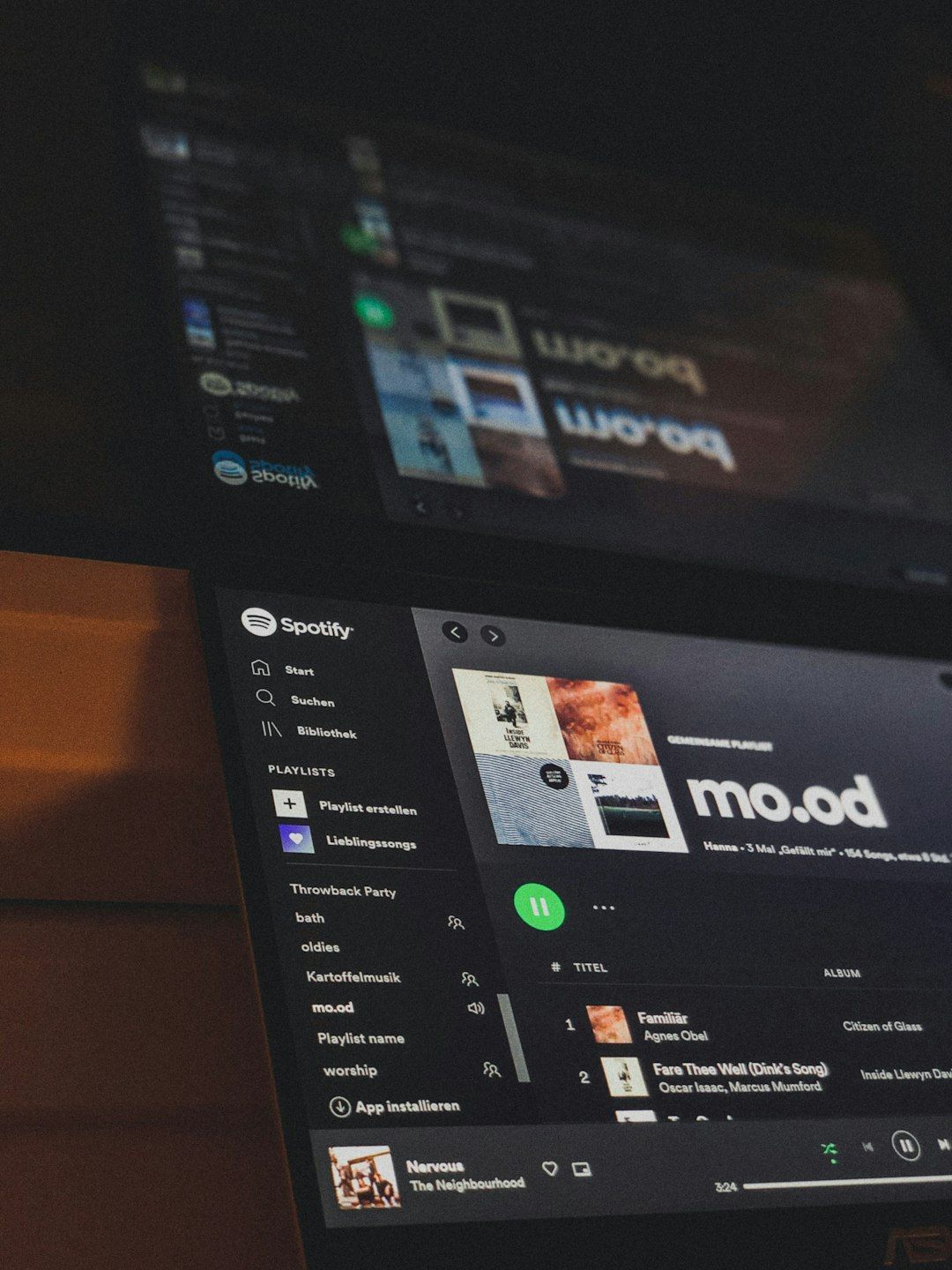
Photo by Hanna Theresia Pitter on Unsplash
SongsBrew Editorial
The steak is too juicy.

Gif by heyarnold on Giphy
It wasn’t that long ago that we dreamed of a way to have our lives soundtracked, perfectly, all day, every day. After sitting watching a movie, hearing the carefully selected tracks to each scene as characters lived their lives. Having the perfect song at the perfect time, imagine if that could be us? What would that sound like?
Wishing that the vinyl, tapes, and CDs we did have could just have our favorite songs. One after the other.
And then we could. But they never held enough, not for people who just couldn’t get enough music into their ears.
Fast forward (a lot), and we had huge playlists and carried them around on MP3 players and iPods. Glory. And while switching songs in and reordering was always enjoyable for many people, it was a chore for others. Still wistfully dreaming about something that could do it for you…
And then it happened. An algorithm so smart it could process what you add and what you listen to and do it for you. You can have a playlist for every mood, including not-doing-anything-should-be-doing-something-wednesdays. Endless.
And then the steak got too juicy. And the lobster really is too buttery.
Psychologists often point to the "Paradox of Choice" here: the idea that while we crave options, having 100 million songs at our fingertips actually creates a kind of decision fatigue. Instead of feeling free, we feel paralyzed, often retreating to the same five albums just to stop our brains from whirring. 1
Maybe it is human nature to always want more or less than we have. We used to have less, and wanted more, and now we have more more than we have ever mored before. By any standards, the progression to where we are now was much slower for a long time, and then, as we had more predictive technology available, it’s been much faster.
We have adapted (at speed) how and where we listen to music, and even the why.
The adaptation is interesting. Some age groups had to learn to use it as it came along, while others have never known anything different. Collectively, we changed the landscape.
We’ve gone all in on access; we do want more for less. Because, as a consumer, we’ve been trained to want that. We’ve been trained not to pay too much attention to where something comes from. We shifted away from selective listening sessions and moved to binge-listening all day long. And why not? We'd never had this before; we were dogs chasing our tails.
Although we are seeing a change at the moment, most listeners still opt for playlists over albums. And, for most people, as they work, or clean, or commute, music is their companion. Researchers in the Psychology of Music have noted this shift toward "affective regulation," where we use music as an auditory bubble.2 Studies show that people often have it as background, not to listen but to drown out the world's sounds. We aren't consuming art; we're managing our environment.
Our easy adoption of these changes allowed the machines to learn how we interacted and offer us playlists built around that. This was revolutionary. We got everything we ever wanted, so much of it, right there at our fingertips.
Slowly, though, over the last few years, we are becoming disillusioned with it all. Be careful what you wish for.
Surprisingly to many, Spotify began recommending content as early as 2013. So they have had many years to become the perfect thing that they are now. Other platforms have had these playlists too. They’re not new; they just function better and pump out recommendations faster than ever. Most of us are familiar with Discovery Daily; it is the playlist that became synonymous with AIgo-playlists.
Perhaps it is rose-tinted glasses, but those early playlists felt like you got more new music. It felt closer to receiving a CD from your favorite person than to an automated playlist. And, while it might just be nostalgia taking over, there were fewer big, well-known household names in them. You were more likely to get an unknown gem. But there are millions of tracks being uploaded every week now, so it is easy for new artists to get lost.
But there is too much of a good thing. Since those early days, we’re inundated with playlists, and for the most part, they have the same artists you already listen to.
Data scientists call this "Algorithmic Homogenization." It happens because the math is designed for "precision," giving you exactly what you like, rather than "serendipity,3" which is giving you the weird, wonderful thing you didn't know you needed.
Suddenly, we’re in an automated music cul-de-sac, going round in a circle and missing the exit.
You have a choice of about 7-12 made-for-you playlists on any given day. And we slowly create an echo-chamber, a self-reinforcing set of music.
By getting everything we wanted, we got everything we didn’t.
The algos were designed to anticipate what we enjoy, to increase our time on the platform. And they did for a while. Over time, they shot way over that and served us what we fed it.
If we don’t want to, we don’t have to do anything about it. We can just enjoy what we always listen to. Or, we can switch on the headlights and leave the dead-end we’re in.
The data tells us one thing, but our ears tell us another. The irony isn't lost on us: we built the most sophisticated mirrors in human history only to be disappointed when all they did was reflect us back to ourselves. We wanted a world where the music never stopped. Now that it hasn't stopped for a decade, we find ourselves craving the silence of a deliberate choice.
If we are going to leave the dead-end, we have to embrace the possibility of hearing something we don't immediately like. That is the secret the algorithm can't grasp. Real discovery requires the risk of a "bad" song, because that friction is what makes the "good" songs stick. It makes the discovery feel earned rather than served.
We can keep driving the same loop, letting the ghost in the machine pick our soundtrack (we all do it; it is one less decision in our day), or we can reach for the search bar and type something random in.
We got everything we wanted. Now our fingers are greasy, and we have juice dripping down our chins.
An update
Last week, we made a song with AI with the goal in mind to get it on platforms, check the process, and see if people are really making money, and just how easy it is.
The song is now being sent to stores and is scheduled for release on 1st March, so it has passed the review check.
Here are the stores that rejected the track:
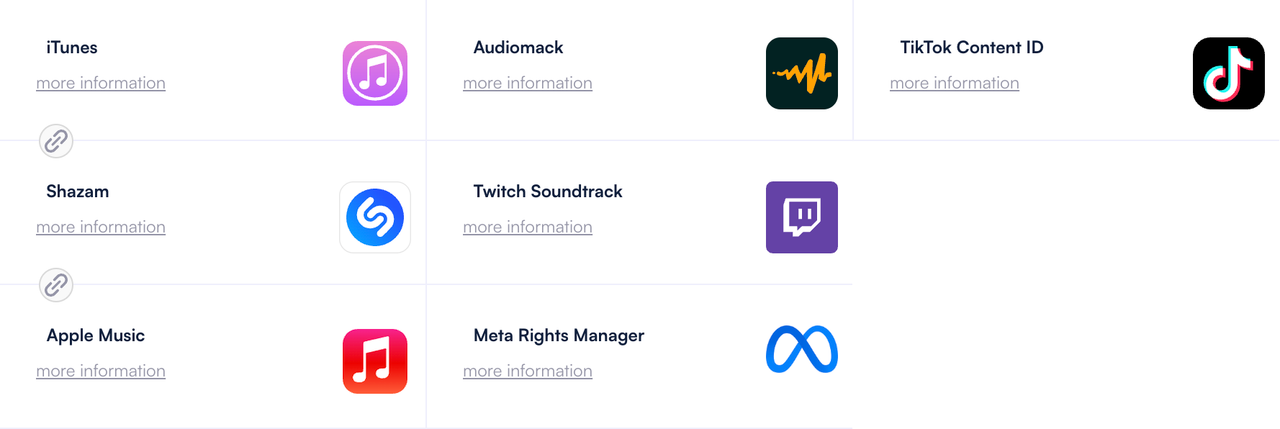
Total cost: $49 for Suno Pro and Ditto Music Pro.
Only one person said they would know for sure that the tracks we shared last week were AI.
Stores pay out sales royalties with a minimum delay of 2 months, according to Ditto Music's disclaimer.
We will share dashboards after release.
Something new:
We've recently opened submissions for review, and you’ll find these on our reviews page. Alongside that, we have a new dedicated Instagram for sharing new or unsigned artists > SongsBrew.radar.
Until next time,

1 The Streaming Paradox: Untangling the Hybrid Gatekeeping Mechanisms of Music Streaming
2 Measuring the auditory bubble: How mobile music listening affects personal space
3 Auralist: Introducing serendipity into music recommendation


Log in or subscribe to comment